The Secret Obsession Behind Royal Ascot: Divorced Men, Windsor Curtains, and 300 Years of Dark History
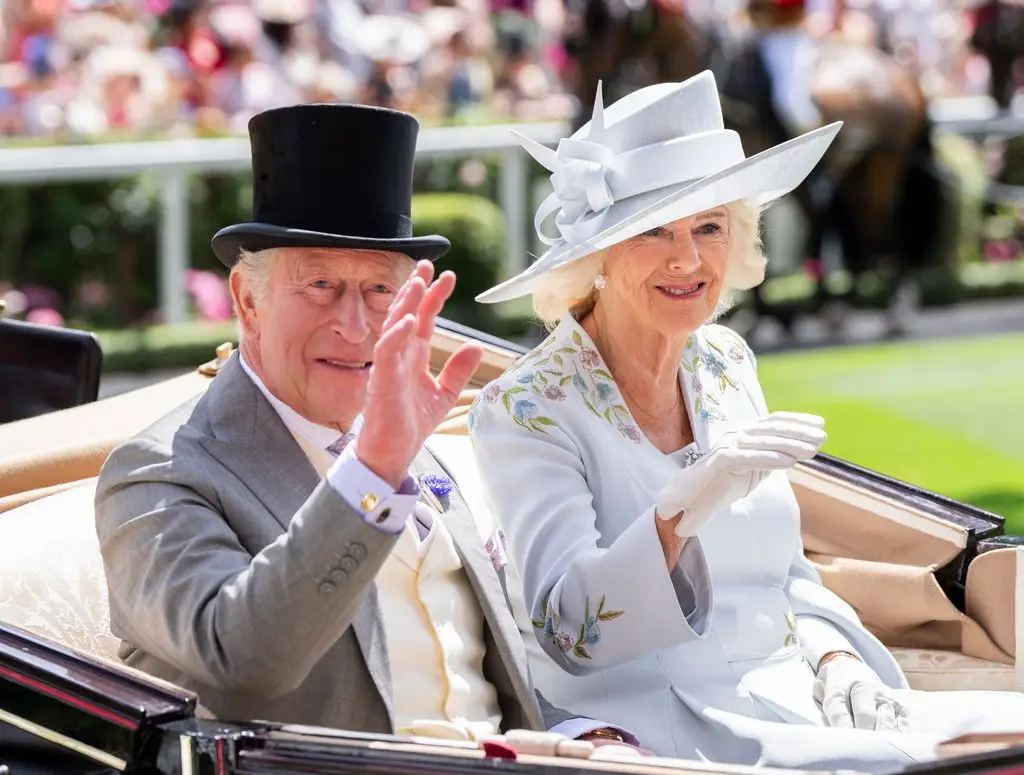
To the global audience, Royal Ascot appears to be the ultimate pinnacle of strict royal protocol, majestic traditional carriages, and flawless formal posture. Millions across internet platforms tune in every June to witness the royal family radiating pure regal class under the intense global media spotlight. However, behind the grand pageantry and the multi-million prize funds lies a hidden timeline of bizarre rules, social scandals, and unscripted historical secrets that have shaped this centuries-old tradition for over 300 years.
The Iron Stand: A Sanctuary for Divorced Aristocrats
Today, entering the exclusive Royal Enclosure demands absolute perfection, a strict dress code, and pure positive energy. But in the 19th century, palace rules enforced a brutal moral boundary. For a long period, anyone who was divorced was strictly banned from standing near the monarch due to religious and royal protocol. To solve this social dilemma, the famous “Iron Stand” was constructed in 1859. This specific, isolated grandstand was dedicated exclusively to wealthy, high-society gentlemen who, despite their massive fortunes and family loyalty, were divorced . This rigid social barrier was maintained with absolute serious composure until it was finally abolished in 1955.
Uniforms Tailored from Windsor Castle Curtains
One of the most fascinating looks into Ascot’s silent communication and heritage is the ceremonial security team known as the “Greencoats.” Even today, they guard the track wearing immaculate green velvet jackets and top hats, showcasing unmatched elegance . The untold history behind their iconic style dates back to 1744. Local legends reveal that the very first Greencoat uniforms were tailored entirely out of left-over velvet material from the curtains of Windsor Castle . In the early days, their down-to-earth humor was non-existent; their main job was crowd control, using long, sharp spikes called “prickers” to push enthusiastic spectators off the racing track.
From Brutal 19-Kilometer Tests to World War II Artillery
When Queen Anne founded the racecourse in 1711, the competition broke every physical limit . The inaugural race was a brutal test of raw endurance, forcing horses to run three separate heats covering a total of nearly 19 kilometers while carrying immense weight . Centuries later, during World War II, the grand pageantry was completely interrupted. Between 1940 and 1943, the majestic grandstand was completely shut down and requisitioned by the military, transforming the elegant venue into a temporary army garrison and accommodation base for the brave gunners of the Royal Artillery .
An Enduring Global Obsession
From the mandatory introduction of “Racing Silks” in 1783 to solve the chaos of jockeys wearing street clothes, to King Charles III and Queen Camilla’s intense body language in the royal box today, Ascot has always been a mirror of British history . It is exactly this mix of strict protocol and raw, untold secrets that makes the modern monarchy an enduring global obsession.